
IUD Clinic
To see Dr. Lily Han for an IUD, a referral is required. If you do not currently have a family doctor, you can see one of our other physicians through the walk-in clinic to obtain the referral.
services
Compassionate, patient-centered IUD care with a focus on safety and comfort.
Pain Management
We take pain management for IUDs very seriously. Our team will review all available options to ensure you feel supported and cared for throughout the process. Please note, however, that we do not offer Penthrox laughing gas or sedation for IUD insertions. We are hoping to be able to offer Penthrox in the future!
Supportive & Respectful Care
We understand that IUDs can feel intimidating, and we are here to make the process as comfortable and transparent as possible. From consultation to follow-up, you will be supported with respect, compassion, and expert medical care.
Education First, Learn about all your birth control options
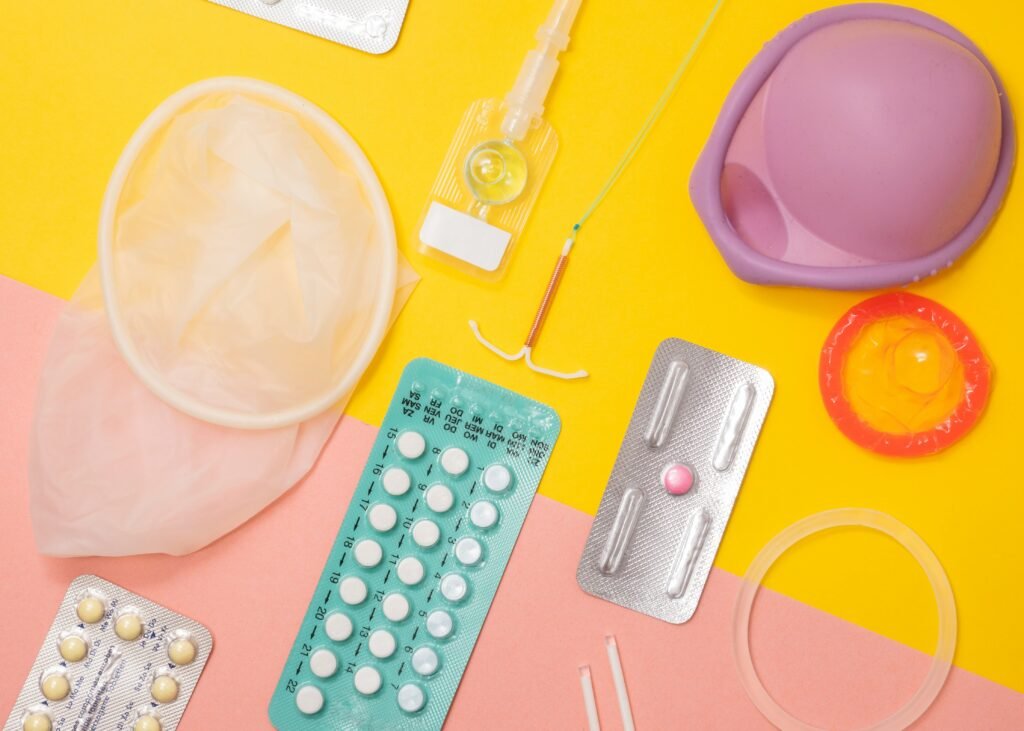
Our team provides clear, judgment-free education on all forms of birth control, including hormonal and non-hormonal IUDs, the pill, implant, patch, injection, and barrier methods. During your consultation, we’ll review your options in detail so you can make an informed choice that feels right for your body and your lifestyle.
Follow-Up & Ongoing Support
Your care doesn’t end after the IUD is inserted. We encourage follow-up visits to ensure the IUD is properly in place, address any side effects, and answer new questions that may come up. Our team is always here to provide reassurance, guidance, and ongoing support as your body adjusts.
Appointment Information
Two-Appointment Process
IUD insertion is a two-step process at our clinic:
Consultation Appointment
This visit can be done in person or over the phone. During the consultation, Dr. Han will discuss the different IUD options, review possible risks, and talk through pain management strategies.Insertion Appointment
When you arrive, you’ll check in with reception and provide the MOAs with your IUD (don’t forget to bring your IUD prescription it happens!). You will then be asked to sign a consent form and complete a urine pregnancy test.
At the time of insertion, we can also perform an STI swab and a Pap test if needed.
Before Your Appointment
Bring your prescription – Make sure you bring your prescribed IUD with you to your insertion appointment.
Medication & driving – If you were prescribed pain medication, please do not drive yourself. Arrange for someone to drive you to and from your appointment.
Support persons – Patients are welcome to bring one support person into the room with them. If you don’t have someone available, one of our female staff members will be happy to sit with you and hold your hand for comfort.
Consent & pregnancy test – Be prepared to sign a consent form and provide a urine sample for a pregnancy test before your insertion.
After Your IUD Insertion - Important Information & Self-Care Guide
When Does My IUD Start Working?
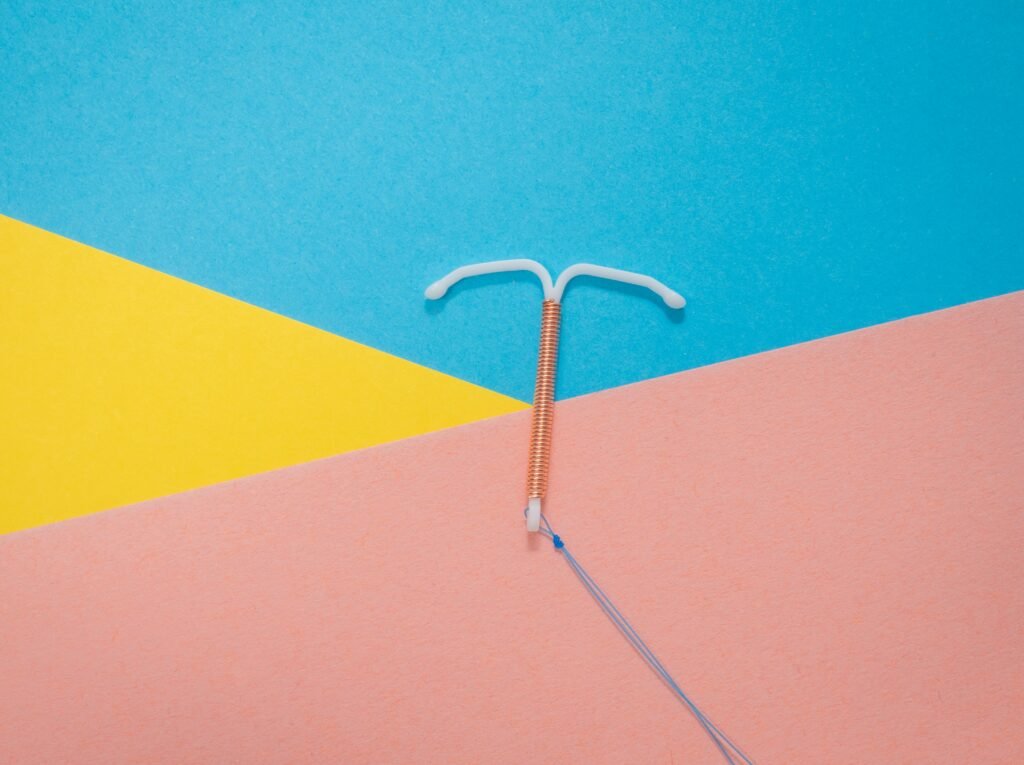
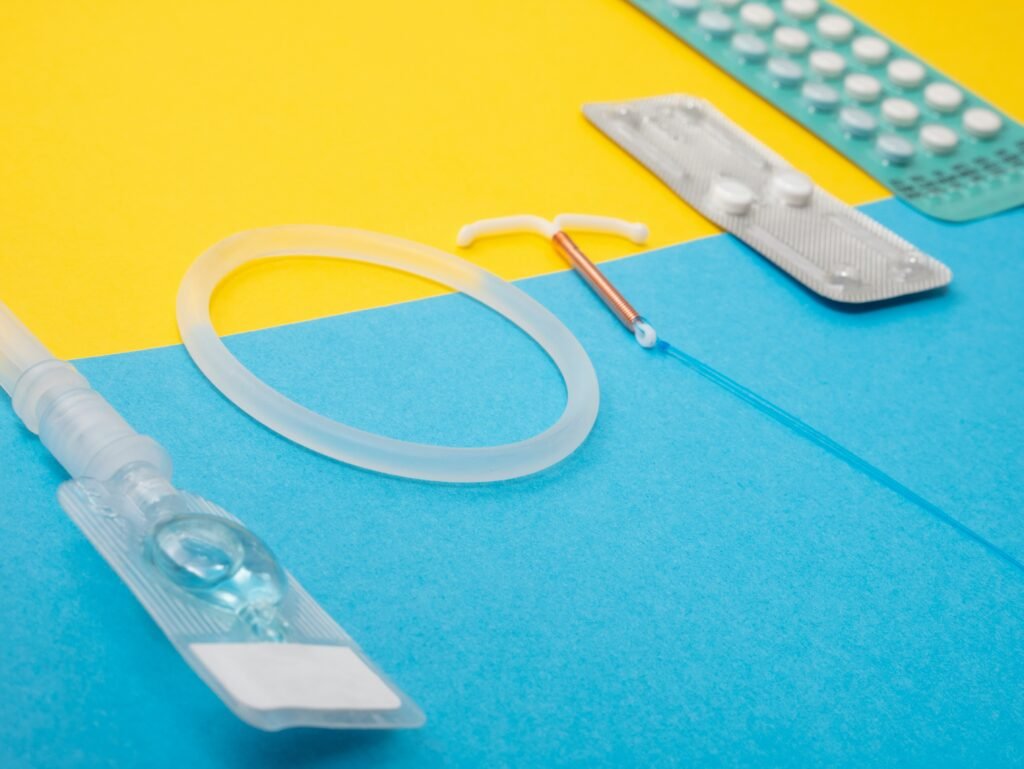
- Copper IUD (Paragard): Works immediately after insertion.
- Hormonal IUDs (Mirena, Liletta, Kyleena, Skyla): Take 7 days to become fully effective.
What Should I Do Today?
You may return to work, school, or your usual daily activities if you choose. Some discomfort or cramping after insertion is normal. While you can resume your day, it may be best to take it easy and give your body time to rest
- Rest: Take it easy for the rest of the day if you can. Light activity is fine, but don’t push yourself.
- Heat: Use a heating pad or hot water bottle on your lower belly to ease cramps.
- Hydration: Drink plenty of water to help your body recover.
- Pain Relief: Ibuprofen is recommended for cramping and bleeding. Take as directed with food.
- Support: Don’t hesitate to ask a friend, family member, or support person for help if you’re feeling unwell.
Please avoid vaginal intercourse, baths, swimming, tampon use, and menstrual cup use for at least 24 hours after your IUD is placed.
If you received a hormonal IUD, use back-up contraception (condoms) for the first 7 days. If you have unprotected sex during this time, emergency contraception may be needed.
What Should I Expect?
Cramping & Bleeding:
- Spotting, heavier bleeding, or more cramps are common in the first 3–6 months.
- For Mirena, Liletta, Kyleena, and Skyla, these usually improve after 6 months, and many users stop having periods after 1–2 years.
- For Paragard, heavier periods and more cramping may continue as long as the IUD is in place.
How Should I Care for Myself?
- Pain Relief: Take ibuprofen (200 mg tablets, up to 4 pills = 800 mg every 8 hours with food).
- Begin ibuprofen at the start of your period and continue for the first 2–3 days.
- A hot water bottle or heating pad can also help ease cramps.
Will My IUD Come Out?
- Rarely, an IUD may come out in the first 3 months.
- You can check placement by feeling for the strings inside your vagina (they feel like thin fishing line).
- If your IUD comes out, you can become pregnant immediately use condoms until you’re seen by a healthcare provider.
STI Protection
- IUDs do not protect against sexually transmitted infections (STIs).
- Use condoms, internal condoms, or dental dams if you are at risk of exposure.
When Should I See a Health Care Provider?
Within the first 3 weeks, contact us immediately if you experience:
- Fever over 101°F (38.5°C)
- Chills
- Strong or sharp stomach/abdominal pain
At any time, contact us if you experience:
- Possible exposure to an STI
- A late period (Paragard users only)
- Pregnancy symptoms (nausea, breast tenderness, vomiting)
- A positive home pregnancy test
- Foul-smelling vaginal discharge
Optional Follow-Up:
Some patients schedule a follow-up 4–6 weeks after insertion to check placement. If you can feel your strings and are not experiencing concerning symptoms, follow-up is not always necessary.
If you have any concerns, please don’t hesitate to call our clinic. We are here to support you and your health every step of the way.